
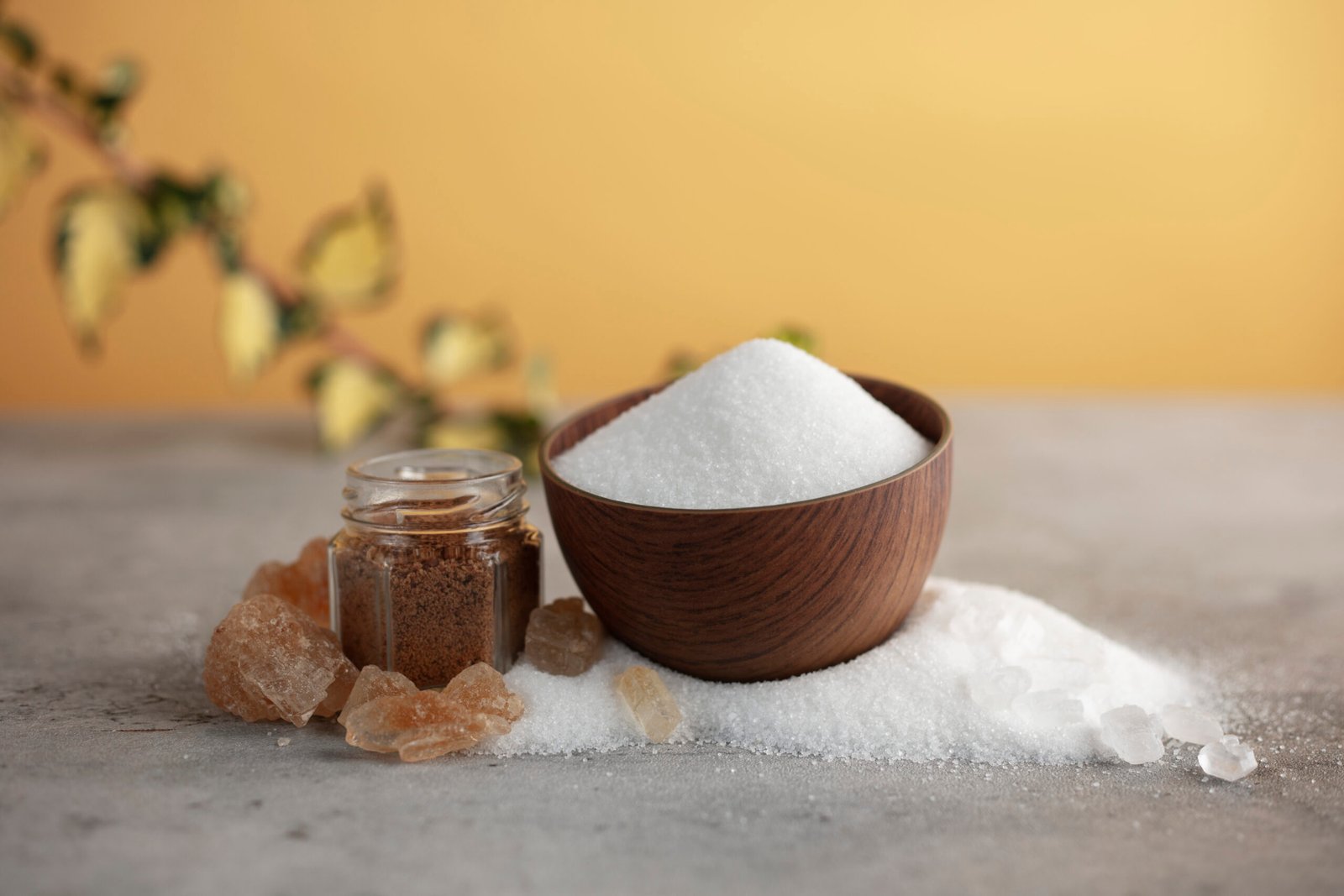
Aspartame, scientifically known as L-aspartyl-L-phenylalanine methyl ester, is one of the most widely used artificial sweeteners in the world. Unlike sugar, it provides intense sweetness without the added calories, making it a popular choice for people aiming to reduce caloric intake or manage conditions such as diabetes and obesity. Despite being labeled an “artificial” sweetener, aspartame is composed of natural building blocks of proteins: the amino acids phenylalanine and aspartic acid. These amino acids are commonly found in many protein-containing foods, such as meat, eggs, and dairy products, and are essential to normal human nutrition.
Composition and Structure
Aspartame is a dipeptide, meaning it is made of two amino acids linked together. Phenylalanine, one of the amino acids in aspartame, is an essential amino acid, which means the human body cannot synthesize it and must obtain it from the diet. Aspartic acid, the other amino acid, is non-essential, as the body can produce it naturally. The methyl ester component of aspartame contributes to its intense sweetness by influencing how the molecule interacts with taste receptors on the tongue. Chemically, this structure allows aspartame to be approximately 200 times sweeter than sucrose (table sugar), meaning only a tiny amount is needed to achieve the same level of sweetness.
Uses and Applications
Aspartame is widely used in a variety of low-calorie and sugar-free products. These include soft drinks, chewing gum, yogurt, desserts, and even some medications. Its ability to provide sweetness without the calories of sugar makes it particularly valuable in products aimed at weight-conscious consumers or those managing blood sugar levels. Moreover, because aspartame is stable under refrigeration and at room temperature, it is suitable for many food and beverage applications. However, it is important to note that aspartame is not heat-stable at high temperatures, which limits its use in baking and cooking where prolonged heating is involved.
Digestion and Metabolism
When consumed, aspartame is broken down in the digestive system into its constituent amino acids—phenylalanine and aspartic acid—and a small amount of methanol. Each of these components is naturally present in many foods. Phenylalanine is important for protein synthesis and the production of neurotransmitters such as dopamine, norepinephrine, and serotonin. Aspartic acid also plays a role in the synthesis of other amino acids and in energy production within cells. Methanol, though toxic in large amounts, is produced in much smaller quantities in aspartame consumption than what is found naturally in fruits and vegetables. Overall, when consumed within acceptable limits, aspartame is metabolized safely by the body.
Safety and Regulatory Status
Aspartame has been one of the most extensively studied food ingredients in history. Regulatory authorities worldwide, including the U.S. Food and Drug Administration (FDA), the European Food Safety Authority (EFSA), and the World Health Organization (WHO), have evaluated the safety of aspartame. These agencies have established an acceptable daily intake (ADI) of 40–50 milligrams per kilogram of body weight, which is well above the typical consumption level for most individuals. Extensive research has consistently found that aspartame is safe for the general population, including children, pregnant women, and people with diabetes, except for those with a rare genetic disorder called phenylketonuria (PKU). Individuals with PKU cannot metabolize phenylalanine properly, and thus must strictly limit its intake.
Misconceptions and Controversies
Despite its long history of safe use, aspartame has sometimes been the subject of controversy. Over the years, various claims have linked aspartame to headaches, cancer, and neurological disorders. However, these claims have largely been debunked by scientific studies. For example, large-scale studies have not found a consistent association between aspartame consumption and cancer in humans. Regulatory agencies continue to monitor new research, but current evidence supports the conclusion that aspartame is safe when consumed within recommended limits.
Health Benefits
Aspartame offers several advantages over sugar. Its intense sweetness allows food manufacturers to reduce or eliminate sugar from products, which can help lower overall caloric intake. This can be beneficial for weight management and for controlling blood glucose levels in people with diabetes. Additionally, because aspartame does not contribute to tooth decay like sugar, it is considered tooth-friendly and is often used in sugar-free gum and oral care products.
Environmental Impact
Compared to sugar production, aspartame production requires fewer natural resources such as land, water, and energy. Since only small quantities are needed due to its high sweetness, it has a relatively low environmental footprint. This aspect makes aspartame not only a dietary choice but also a more sustainable option in certain contexts.
Conclusion
Aspartame is a unique sweetener that combines the benefits of intense sweetness with the natural properties of amino acids. Made from phenylalanine and aspartic acid, two amino acids that are common in everyday protein-rich foods, aspartame allows consumers to enjoy sweetness without excess calories. Its extensive history of safety evaluation and global regulatory approval makes it a reliable alternative to sugar for millions of people worldwide. While it is not suitable for individuals with PKU, for the general population, aspartame provides a safe, convenient, and environmentally friendly option for sweetening foods and beverages.
In a world increasingly focused on reducing sugar intake and promoting healthier lifestyles, aspartame stands out as a scientifically backed, natural-based sweetener that supports both health and dietary goals. Its widespread use in low-calorie and sugar-free products continues to make it a valuable component of modern nutrition, bridging the gap between taste and health.
