
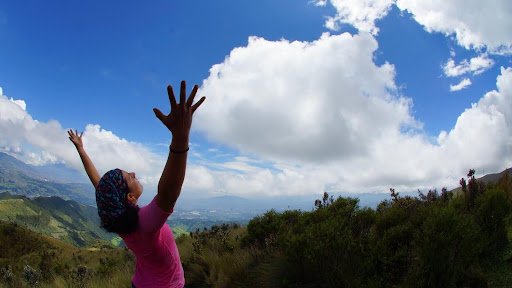
The Himalayas have been more than just mountains. They have been a mixture of natural beauty, a spiritual guide, and a source of wisdom for those seeking more than a physical adventure.
Trekking in Nepal isn’t just about navigating high-altitude trails or gazing at snow-capped peaks; it’s also about self-reflection. Upon completing the trek, tourists often return with stories of transformation, inner clarity, and a newfound appreciation for life.
This is why spiritual adventure tourism in Nepal has become so unique—it goes beyond the surface of travel. Beyond crowded, popular trekking routes, the Manaslu Circuit Trek has been gaining popularity among trekkers for spiritual adventure.
The Himalayas: More Than Just a Destination
Nepal is a paradise for adventurers. As soon as you think of Nepal, you will probably imagine towering mountains, icy glaciers, and breathtaking vistas. But underlying this natural phenomenon is something yet more profound—the essence of spirituality.
For centuries, the Himalayas have been revered as sacred ground. Ancient sages, monks, and pilgrims walked the same paths in quest of knowledge and self-discovery. Today, trekkers walk in their footsteps, unaware at times but frequently finding similar insights along the way.
Unlike any other trekking path, the Himalayas demand preparedness. The altitude, unpredictable weather, and rugged terrain remind us how little we are compared to nature. This humility is the perfect foundation for spiritual growth. And for this reason, the Himalayas are not just a playground for adventurers—more a classroom for the soul.
Trekking with Purpose: The Modern Pilgrimage
Spiritual adventure tourism is not about practicing religion alone, but the journey of finding meaning. The majority of trekkers who arrive in Nepal with adventurous plans leave with much more than scenic photographs. They leave with inner calm, gratitude, and a deeper perspective.
This is where domestic enterprises, such as Mission Himalaya Treks, step in. They not only guide travelers along challenging routes but also provide an opportunity to connect with Nepal’s cultural and spiritual traditions.
Trekking becomes more than a checklist activity and turns into a pilgrimage. Even if you didn’t take off searching for spirituality, the journey has a way of showing you what really matters.
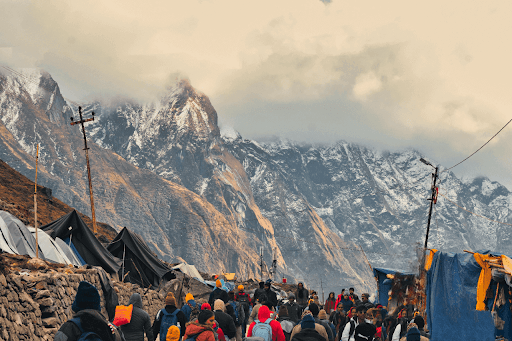
The Teachings of the Trails
Every trek in Nepal has a way of educating us, if we pay attention. The mountains don’t just test physical strength—they challenge the ego, eliminate distractions, and give clarity.
These are a few of the profound lessons travelers are likely to learn while trekking in the Himalayas:
-
Simplicity Is Enough
Life in the remote mountain villages moves slowly. Families live with only the essentials, but their warmth and hospitality are what make them rich. Sipping butter tea in a teahouse or enjoying a bowl of Dal Bhat after a strenuous walk reminds us that happiness is not found in material things, but in belonging and simplicity.
-
Surrender to Nature
The harsh Himalayan weather often forces trekkers to adapt to changing conditions. A snowstorm, a flight cancellation, or a blocked trail reminds us that we cannot control everything. Learning to accept and be flexible in the face of nature is one of the greatest spiritual lessons of the trek.
-
Community Over Self
Trekking is rarely done alone—it’s a shared experience. You depend on guides, porters, and even fellow trekkers for motivation. It promotes community, fosters humility, and teaches the value of collective strength.
-
Silence Speaks
In the Himalayas, silence is louder than horns in cities. Away from traffic, technology, and noise, you begin to listen to your own mind.
The hum of prayer wheels in monasteries, chanting monks, and fluttering prayer flags adds to the quiet. Many trekkers describe this silence as a powerful instructor, one that teaches self-awareness and mindfulness.
Manaslu Circuit Trek: A Less Traveled Spiritual Route
Among all the trekking routes in Nepal, the Manaslu Circuit Trek is probably a complete package. It’s a perfect blend of natural beauty, spiritual experiences, and adventure.
Compared to more crowded Everest or Annapurna treks, Manaslu is relatively less-visited, offering a quietness and authenticity.
The trek circles around Mount Manaslu, a “Mountain of the Spirit”, which itself vibrates with a sense of mysterious energy.
The trekkers pass through centuries-old Buddhist villages, visit ancient monasteries, and witness rituals that have remained unspoiled for centuries. Prayer flags flutter above high passes, whirling wheels on monastery walls, and monks chanting mantras in stone courtyards.
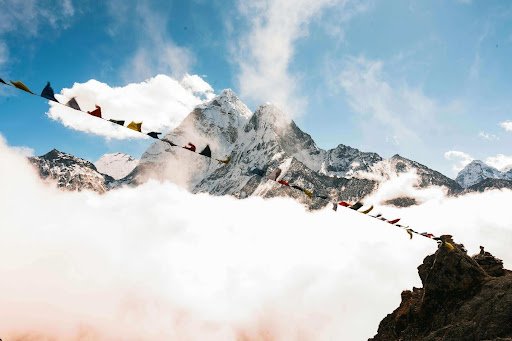
The experiences keep reminding you that spirituality is not abstract—it is lived every day by the people living here.
The physical challenge of the trek, especially crossing the Larkya La Pass (5,106 m/16,752 ft), is paralleled by the inner journey of resilience and determination. Reaching the top is not only a triumph of body but also of soul. Standing at that elevation, amidst the mountains that touch the sky, it’s more about finding yourself than climbing a mountain.
The Intertwining of Culture and Spirituality
One of the greatest rewards of trekking in Nepal is being a part of the local culture. In the Manaslu trek and across the Himalayas, the lifestyle of mountain communities is influenced by Buddhist traditions. From mani walls covered with sacred inscriptions to gompas filled with ancient relics, spirituality is woven into daily existence.
Interaction with the locals gives you an understanding of how faith sustains life in such harsh circumstances. Spirituality here is not a luxury; it is a survival tool.
The lessons of gratitude, compassion, and resilience that locals embody often leave a lifelong impression on visitors.
Why the Himalayas Inspire Transformation
Not every journey in the Himalayas is spiritually intended, but almost all become spiritual through experience. The combination of natural grandeur, cultural richness, and inner peace creates an environment where transformation happens naturally.
- You may begin the trek intending to get somewhere in particular, such as the destination, but en route, the destination becomes less important than the journey.
- You may begin seeking adventure, but come to learn to appreciate simplicity.
- You may arrive as a guest but leave as a pilgrim, carrying lessons that spread beyond the trail.
This is the power of spiritual adventure travel in Nepal—it shifts how you perceive the world and yourself.
Carrying the Himalayas Within
The real beauty of trekking in Nepal is that the teachings you learn, you carry back home. The Himalayas continue to live inside you. The patience from ascents made slowly, the humility from unpredictable weather, the thankfulness from simple food, and the peace from the quietness of the mountain—these learnings become part of your everyday life.
When you step back into the noise of the modern world, you carry the Himalayas as a compass. You are reminded to slow down, be thankful, let go, and cherish community. This is why most trekkers call their Nepalese adventure life-altering.
Final Thoughts
Spiritual adventure tourism is not an escape from life—it is a coming to terms with it. The Nepalese Himalayas offer a singular opportunity to combine physical adventure with spiritual exploration. Every trek, whether Annapurna, Everest, or the Manaslu Circuit Trek, is a turning point between the outer world and the inner self.
For those who are ready to venture beyond mere sightseeing and into a path of change, the Himalayas are waiting. Companies such as Mission Himalaya Treks are empowering travelers not just to trek these sacred trails but to access the deeper level of travel.
Finally, the Himalayas remind us that adventure and spirituality are not separate—they’re intertwined. Trekking in Nepal means becoming closer to nature, culture, and one’s own soul. And perhaps that’s the greatest adventure of all.
