
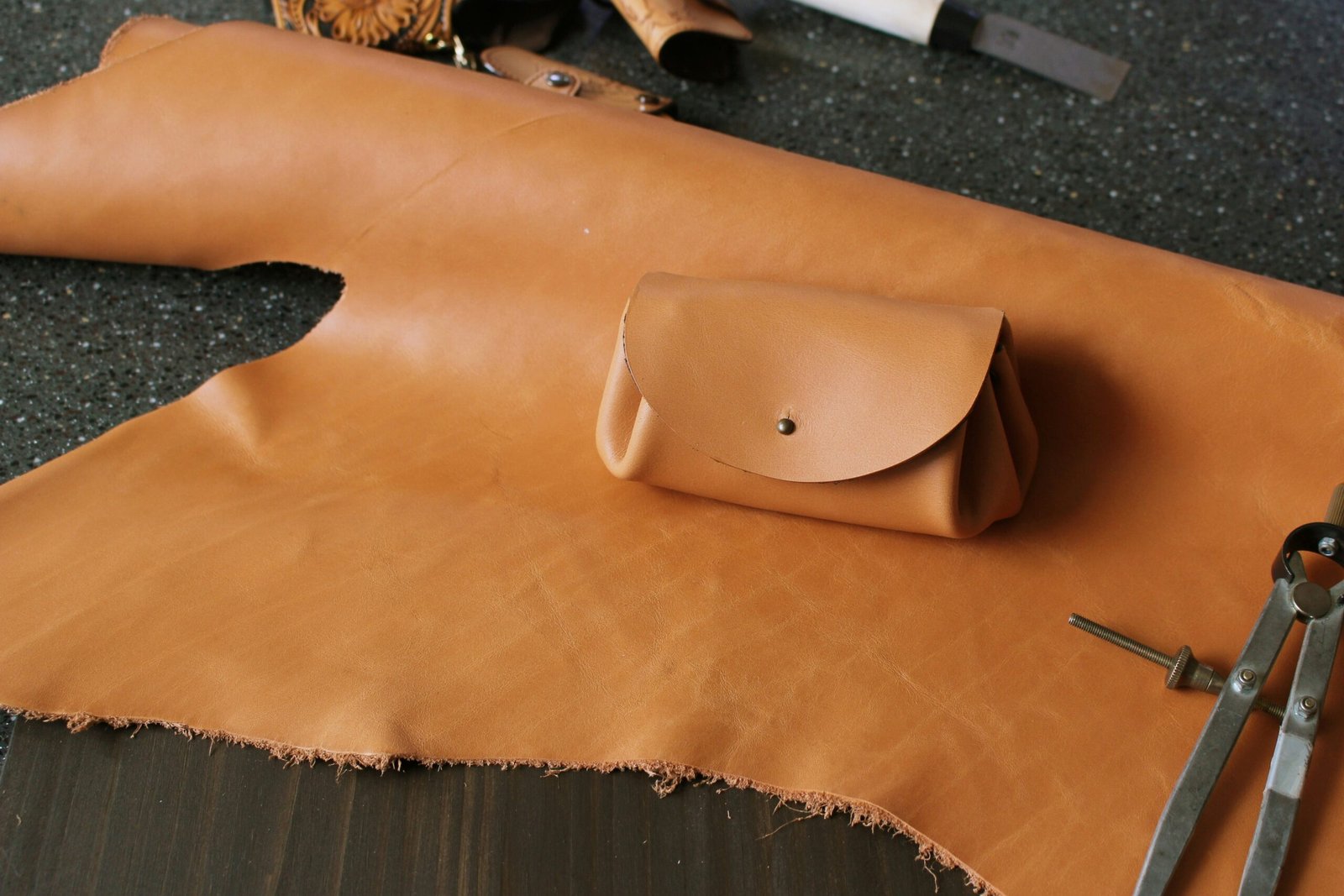
Zuschneidfelle are essential resources for anyone interested in leather and fur crafting. Whether you’re a seasoned artisan or just starting out, understanding these cutting materials can elevate your projects to new heights. Imagine transforming raw hides into stunning creations that showcase your unique style. But before diving in, it’s crucial to grasp the fundamentals of Zuschneidfelle—how they work, what tools you need, and how to cut them with precision.
This guide will walk you through everything from selecting the right equipment to mastering techniques tailored for various materials. Let’s embark on this journey together and unlock the art of cutting leather and fur!
Tools and Equipment for Cutting Leather and Fur
When it comes to cutting leather and fur, having the right tools is crucial. A sharp pair of scissors designed for heavy materials can make all the difference. Look for ones with a comfortable grip to avoid fatigue during long projects.
A rotary cutter is another excellent option, especially for straight lines. It glides through material effortlessly and can produce clean edges. Always use a cutting mat beneath your work to protect both your blades and surfaces.
Don’t overlook utility knives; they are versatile and handy for intricate cuts. For more delicate tasks, consider using small snips or detail shears that offer precision without sacrificing control.
Invest in a good set of rulers or templates. They help ensure accuracy when marking out patterns on your leather or fur before cutting begins. Having these tools at hand will streamline your crafting process significantly.
Steps for Precise Cutting
Achieving precision in cutting leather and fur starts with a solid plan. Begin by measuring the material carefully. Use a ruler or measuring tape to mark your desired dimensions clearly.
Next, secure your piece on a stable surface. A dedicated cutting mat can protect both your workspace and tools while providing grip.
Take your time when using scissors or rotary cutters. Follow straight lines for clean edges. If you’re working with intricate designs, consider using smaller specialty knives that allow for greater control.
Always cut away from yourself to maintain safety and accuracy. Adjusting the angle of the blade can also help navigate curves or corners more effectively.
After each cut, check the alignment against your initial marks before proceeding further. This attention to detail ensures every piece fits together seamlessly during assembly later on.
Tips for Cutting Different Types of Leather and Fur
When working with various types of leather and fur, knowing their unique characteristics can make a huge difference in your cutting precision.
For soft leather, use sharp scissors that glide smoothly through the material. This prevents fraying and ensures clean edges.
On the other hand, tougher leathers require utility knives or rotary cutters for better control. Always cut away from yourself to maintain safety.
Fur presents its own challenges. Cut only through the backing fabric while avoiding snipping any fur fibers directly. This keeps your cuts seamless and avoids bald spots.
If you’re dealing with suede, consider using a straightedge for those long cuts. The texture can be tricky, so take it slow to achieve accuracy.
Always test on scrap pieces first whenever you switch materials. This step helps you gauge how each type responds to different tools without ruining your main project.
Maintaining and Sharpening Your Cutting Tools
To achieve clean cuts, keeping your tools in top shape is essential. Regular maintenance extends the life of your cutting instruments and ensures precision.
Start with cleaning after each use. Remove any leather or fur residues using a soft cloth. This simple step prevents buildup that could hinder performance.
Sharpening should also be part of your routine. Use a whetstone or sharpening tool designed for leatherworking blades to maintain their edge. A sharp blade reduces effort and enhances accuracy during cutting.
Check for rust or damage frequently. If you notice anything unusual, address it immediately to avoid compromising your projects later on.
Store tools properly in a dry place with protective covers when not in use. Proper storage helps prevent dullness and damage over time, ensuring they’re ready whenever inspiration strikes.
Common Mistakes to Avoid while Cutting Leather and Fur
One of the most common mistakes when cutting leather and fur is rushing. Taking your time ensures accuracy. Precision is key, especially with intricate designs.
Another frequent error involves using dull tools. Blunt blades can lead to uneven edges and fraying. Always check your equipment before starting any project.
Failing to secure the material properly is another pitfall. If the leather or fur shifts during cutting, it can ruin your work. Use weights or clamps for stability.
Many beginners underestimate the importance of planning their cuts. Sketching out a pattern makes a significant difference in achieving clean results.
Neglecting safety precautions can be dangerous. Always cut away from yourself and wear protective gloves if necessary to avoid injuries while working with sharp tools.
Conclusion
When working with Zuschneidfelle, precision and the right techniques are key. Whether you’re a seasoned professional or just starting out in leather and fur cutting, understanding the tools, methods, and maintenance required will significantly enhance your craftsmanship.
Take the time to invest in quality tools that suit your needs. Practicing different cutting techniques can help develop your skills over time. Remember to stay mindful of common mistakes; learning from them is part of the journey.
With patience and practice, you’ll find joy in creating beautiful pieces from leather and fur. Embrace each project as an opportunity for growth in this art form—your dedication will surely pay off!
